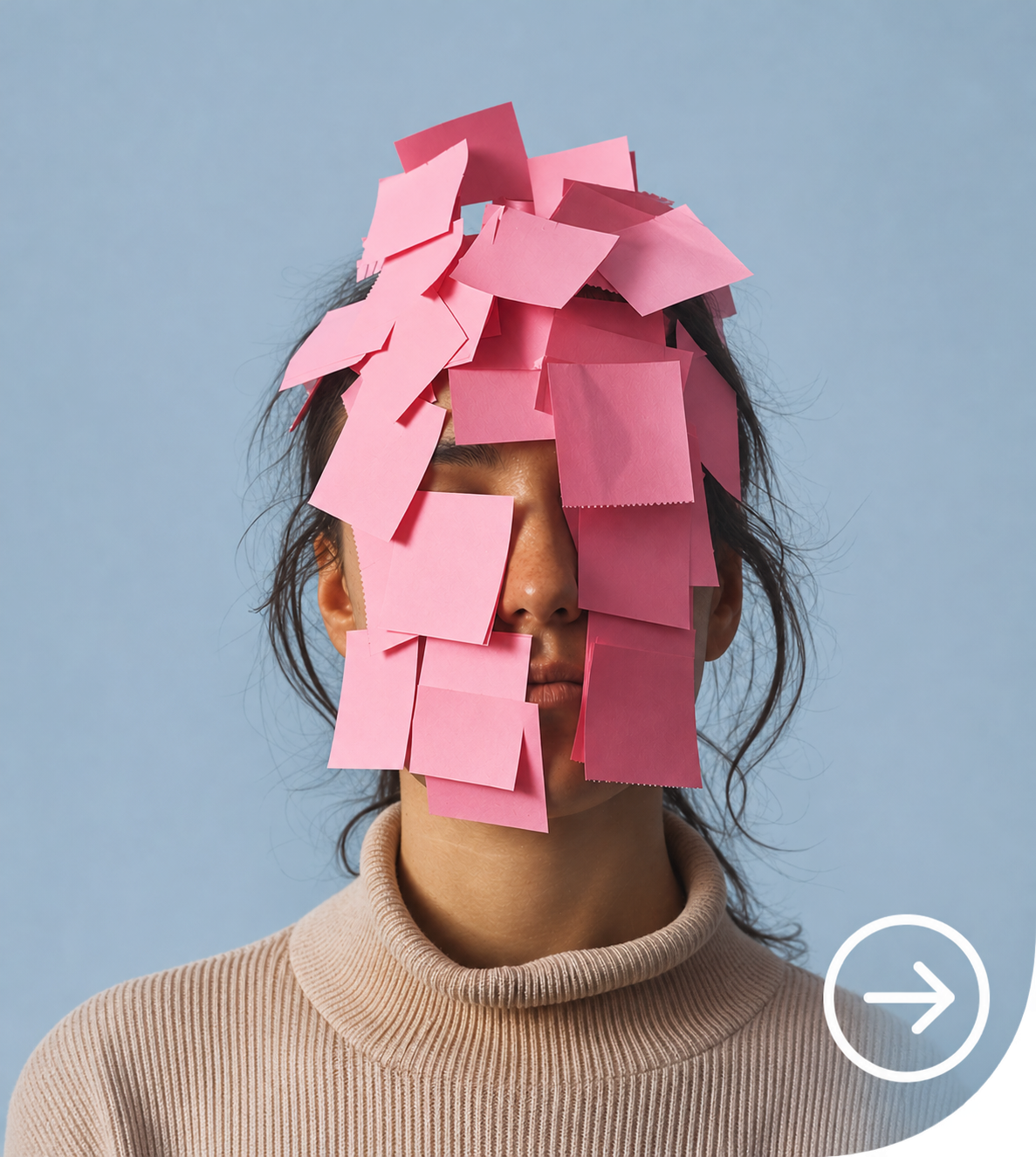
End-of-Year Stress: How Can You Ease It Before the Holidays?
Gifts to find, menus to plan, tasks to wrap up before the break, trips to coordinate: in December, mental load creeps into every aspect of life, and ten tabs stay open in your head. It’s not measured in kilograms of groceries or hours of work, but in thoughts that go round and round. Here’s how to understand it, lighten the load, and know who to talk to about it.
Mental load: What is it?
Mental load refers to the invisible work of organizing, anticipating, and planning that comes on top of the tasks themselves: thinking about gifts, party menus, deadlines, travel arrangements, birthdays, and appointments. The concept was introduced into sociology in the 1980s (Monique Haicault, 1984) and applies to both domestic and professional life.
In other words, it’s not just about “doing a lot”; it refers to having to think about everything, often all at once. At the end of the year, everything comes at you all at once.
Why does the end of the year make our minds race?
As the year comes to a close, many people find themselves in the same situation: time seems to be flying by, and several things are piling up—work deadlines before the holidays, holiday preparations, everyone’s expectations, and sometimes a trip to plan.
No single issue is insurmountable on its own. But it’s the accumulation of these issues—and having to keep them all in mind—that takes a toll. The good news is that we can do something about it.
What steps can you take to reduce your mental load?
First and foremost, there are a few simple habits you can already incorporate into your daily routine:
• Clear your mind. Make a list—on paper or in an app—of everything you need to think about: gifts, menus, appointments. Once it’s written down, you no longer need to remember it.
• Prioritize. Essential, secondary, non-essential: rank all tasks and set aside what isn't essential.
• Share an entire task. Delegating a task from conception to completion takes more off your plate than just asking for a “hand out.”
• Set aside some time for breaks without a specific purpose. A 15-minute walk, a few slow breaths, a cup of coffee away from screens.
• Protect your sleep. Stick to a regular schedule , use soft lighting in the evening, and keep screens away from bedtime.
On this last point, Santé publique France notes that good sleep helps reduce fatigue and stress and supports memory and concentration. In 2024, the average sleep duration for adults aged 18 to 79 was 7 hours and 32 minutes over a 24-hour period, with variations based on age and gender.
Which PharmaSmile solution best fits your needs?
One need, one solution: If you'd like some help, your pharmacist can assist you in making a choice.
Important reminder: A dietary supplement is not a substitute for a varied and balanced diet or a healthy lifestyle.
A Mind Under Pressure: ZenFocus
ZenFocus is a vegan dietary supplement containing L-theanine derived from tea, rhodiola root extract, and vitamin B6, designed to support you during periods of intense stress. Vitamin B6 contributes to the normal functioning of the nervous system, normal psychological functions, and the reduction of fatigue.

Everyday Fatigue and Nervousness: Magnesium
Magnesium helps reduce fatigue, supports normal nervous system function, and promotes normal psychological function. At PharmaSmile, it is available in two formulations combined with vitamin B6: Marine Magnesium and Magnesium Bisglycinate, combined with taurine. Two forms for the same need.


When Thoughts Keep Racing at Night: Sleep
The Sleep Complex combines several herbs (passionflower, escholtzia, saffron) that promote optimal relaxation and improve sleep quality, along with melatonin, which helps reduce the time it takes to fall asleep (this effect is achieved by taking 1 mg of melatonin before bedtime).

A serene atmosphere: medicinal lavender and sweet orange
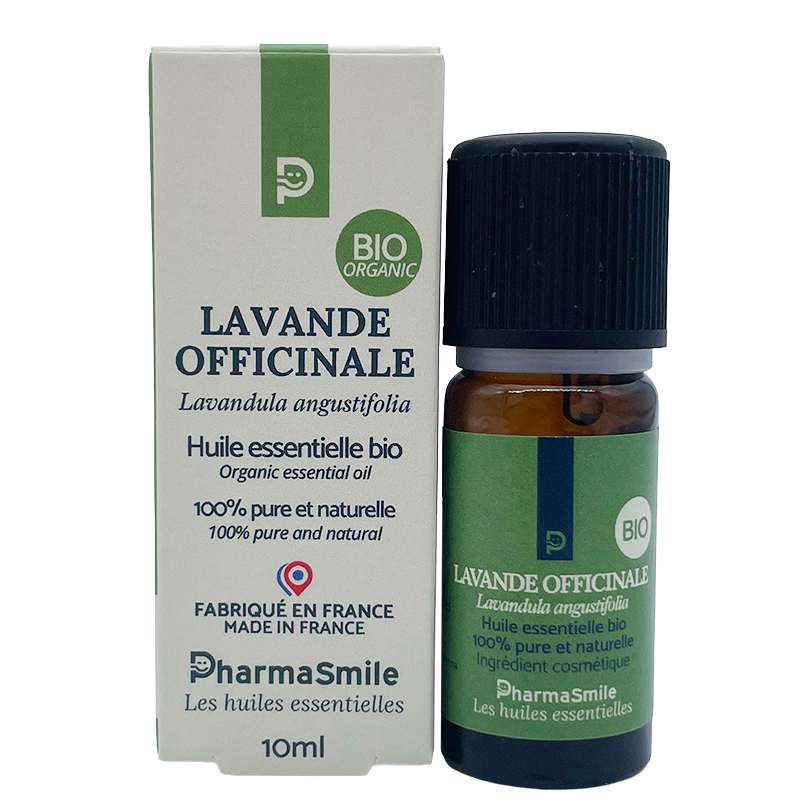
When diffused, organic true lavender essential oil (bottled in France, sourced from France) offers a gentle floral scent to create a serene atmosphere. Organicsweet orange essential oil (bottled in France, sourced from Italy) adds a soft citrus note. Find them in the Aromatherapy line.
Precautions: Never use these essential oils undiluted; do not use for prolonged periods; follow the recommended dosage; and read the precautions before use. Keep out of reach of children.
Several of these products contain vitamin B6 (Zenfocus and Magnesium): do not take multiple supplements at the same time without consulting a doctor.

When should you see a doctor?
Talk to your primary care physician or pharmacist if your fatigue persists or worsens, if your sleep continues to deteriorate, if you become irritable or feel overwhelmed, or if you are taking medication and are unsure about adding a supplement.
Key Takeaways
• Mental load means having to think about everything: the first steps to managing it are organization, delegation, and rest.
• A single list, organization, and delegating tasks in their entirety can reduce mental load.
• In some cases, dietary supplements or aromatherapy may offer a solution.
• A dietary supplement is not a substitute for a varied and balanced diet or a healthy lifestyle. Ask your pharmacist for advice.
Frequently Asked Questions
Mental load and stress—are they the same thing?
Not quite. Mental load refers to the work involved in organizing and planning ahead; stress is the body’s reaction to pressure. The former can fuel the latter.
Can a dietary supplement eliminate mental stress?
No. No supplement will check items off your to-do list. However, certain nutrients support the normal functioning of the nervous system; the rest comes down to organization, sharing, and rest. Your pharmacist can offer advice.
Can you combine multiple supplements?
Do not take without consulting a healthcare professional. Depending on your individual circumstances, taking supplements may require special precautions. Your pharmacist will check your age, whether you are pregnant, and any medications you are currently taking.
Ask your pharmacist for advice; they will help you choose the formula that's right for your situation.
Find our PharmaSmile retail locations here: https://pharmasmile.fr/trouver-une-pharmacie/
– Haicault, Monique. (1984). The Day-to-Day Management of a Dual Life. Sociologie du Travail, 26(3), 268–277. https://uqam-bib.on.worldcat.org/oclc/9975735079
– Santé publique France, “Sleep” (updated April 3, 2026): https://www.santepubliquefrance.fr/sommeil (page open)
– CMVRH, fact sheet “Work-Related Mental Load”: https://www.cmvrh.developpement-durable.gouv.fr/IMG/pdf/20260119_fichememochargementalevdef.pdf